Dr. Anand Dhingra - Garbh Sanskar

Author Archives: Dr. Anand Dhingra

Whales: Giants of the Ocean

Whales: Giants of the Ocean

Whales are among the largest and most remarkable animals on Earth. These marine mammals live in oceans around the world, from warm tropical waters to the cold seas surrounding the poles.

Life Beneath the Surface

Although whales spend their lives in water, they breathe air through blowholes located on top of their heads. They must regularly return to the surface to breathe before diving again in search of food or traveling through the ocean.

Whales are warm-blooded, give birth to live young, and nurse their calves with milk. A thick layer of fat called blubber helps protect them from cold water and stores energy during long migrations.

Two Main Groups

Whales are generally divided into baleen whales and toothed whales. Baleen whales filter small animals from the water using flexible plates inside their mouths. This group includes blue whales, humpback whales, and gray whales.

Toothed whales use teeth to catch fish, squid, and other prey. Many of them also use echolocation, producing sounds and listening for returning echoes to understand their surroundings. Sperm whales, belugas, and orcas belong to this group.

The Blue Whale

The blue whale is the largest known animal to have ever lived. An adult can grow longer than a city bus and weigh well over one hundred tonnes. Despite its enormous size, it feeds mainly on tiny crustaceans called krill.

Communication and Migration

Whales communicate using clicks, whistles, pulses, and complex songs. Some sounds can travel across great distances underwater. Humpback whales are especially famous for their long, patterned songs.

Many species migrate thousands of kilometres each year. They often feed in cold, nutrient-rich waters before traveling to warmer regions where they mate and give birth.

Protecting Whales

Commercial hunting once caused severe declines in many whale populations. Today, whales also face threats from fishing gear, ship collisions, underwater noise, pollution, and changes to ocean ecosystems.

Conservation programs, safer fishing practices, protected habitats, and international cooperation can help whale populations recover. Protecting whales also supports healthier oceans because these animals play an important role in marine food webs and nutrient cycles.

Whales: Giants of the Ocean

Whales: Giants of the Ocean

Whales are among the largest and most remarkable animals on Earth. These marine mammals live in oceans around the world, from warm tropical waters to the cold seas surrounding the poles.

Life Beneath the Surface

Although whales spend their lives in water, they breathe air through blowholes located on top of their heads. They must regularly return to the surface to breathe before diving again in search of food or traveling through the ocean.

Whales are warm-blooded, give birth to live young, and nurse their calves with milk. A thick layer of fat called blubber helps protect them from cold water and stores energy during long migrations.

Two Main Groups

Whales are generally divided into baleen whales and toothed whales. Baleen whales filter small animals from the water using flexible plates inside their mouths. This group includes blue whales, humpback whales, and gray whales.

Toothed whales use teeth to catch fish, squid, and other prey. Many of them also use echolocation, producing sounds and listening for returning echoes to understand their surroundings. Sperm whales, belugas, and orcas belong to this group.

The Blue Whale

The blue whale is the largest known animal to have ever lived. An adult can grow longer than a city bus and weigh well over one hundred tonnes. Despite its enormous size, it feeds mainly on tiny crustaceans called krill.

Communication and Migration

Whales communicate using clicks, whistles, pulses, and complex songs. Some sounds can travel across great distances underwater. Humpback whales are especially famous for their long, patterned songs.

Many species migrate thousands of kilometres each year. They often feed in cold, nutrient-rich waters before traveling to warmer regions where they mate and give birth.

Protecting Whales

Commercial hunting once caused severe declines in many whale populations. Today, whales also face threats from fishing gear, ship collisions, underwater noise, pollution, and changes to ocean ecosystems.

Conservation programs, safer fishing practices, protected habitats, and international cooperation can help whale populations recover. Protecting whales also supports healthier oceans because these animals play an important role in marine food webs and nutrient cycles.

Mad Casino enters the UK online casino market with a proposition that leads with substance rather than spectacle. The we…

Mad Casino enters the UK online casino market with a proposition that leads with substance rather than spectacle. The welcome bonus — 100% up to £1,500 plus 300 free spins — establishes immediate value for new players, while the platform beneath it supports that entry point with thousands of games, a comprehensive payment setup, and a VIP programme structured to reward long-term commitment. MadCasino is built around a clear hierarchy: a generous welcome offer brings players in, a varied game catalogue sustains engagement, and a loyalty system makes staying worthwhile.

What is a stillbirth ?

Stillbirth – when a baby shows no signs of life – is a particularly sad and distressing time for parents and family, as they affect the shock, grief and pain of losing a baby. Often, the reason behind a stillbirth or whether it could are prevented is unknown. However, there are belongings you can do to lower the danger of having a stillbirth.

What is a stillbirth?

A stillbirth is birth of a baby who has died any time from 20 weeks into the pregnancy through to the maturity of birth. The baby can have died during the pregnancy or, less commonly, during the birth.

If the length of gestation (pregnancy) isn’t known, the birth is going to be considered a stillbirth if the baby weighs 400 grams or more.

A stillbirth is other than a miscarriage, which occurs when a pregnancy ends before 20 weeks of pregnancy.

What can cause a stillbirth?

sadly, it’s often not known what causes a stillbirth. a number of the causes include:

 congenital anomalies, which are conditions that affect the baby’s structure (how its body is built) or function (how its body works) while it’s developing within the womb

 a premature birth, where the baby is just too immature to survive

 baby growth restriction, where the baby doesn’t grow to full potential

 a medical condition of the mother, like diabetes, renal disease, heart condition or pre-eclampsia

 complications during birth

 problems with the duct or placenta

There are some things that will increase a woman’s risk of getting a stillbirth. These include:

 being obese before pregnancy

 infection

 sleeping on your back during pregnancy

 smoking, drinking alcohol or shooting up during pregnancy

 trauma to the mother’s abdomen (the tummy area)

 family violence during pregnancy

Can I do anything to prevent a stillbirth?

Even though an explanation for stillbirth is usually never known, there are many belongings you can do this may lower the danger of having one.

Staying healthy and taking folic acid before you become pregnant, also as avoiding smoking, drinking alcohol, and taking drugs are all important.

It is also important that you simply attend all of your antenatal appointments and screenings for any potential health issues also as having an ultrasound in early pregnancy, which can detect problems.

If you’ve got high blood pressure or diabetes, you ought to attempt to ensure these are well controlled before and through your pregnancy.

You should monitor your baby’s movements, especially within the third trimester. If you think that your baby’s movements have changed, speak to your doctor or midwife immediately.

You sleep on your side as your pregnancy progresses, especially from 28 weeks. Lying on your back puts pressure on major and important blood vessels. this will reduce the flow of blood to your womb, and restrict your baby’s oxygen supply. Research has shown that sleeping on your side can reduce the danger of stillbirth by half.

It is also important that you simply take your birth team’s advice on inducing or having a cesarean if your pregnancy goes past the due date.

Possible warning signs

Contact your doctor immediately if:

 you think your baby has stopped moving or is moving differently or but usual

 you have strong pain or cramping in your abdomen or back

 you receive a hard blow to your abdomen

 you are bleeding, leaking more discharge than normal from your vagina

 your feeling dizzy, experience changes to your vision, or have severe or long-lasting headaches

 your face, feet, or hands suddenly swell otherwise you have painful swelling in your legs

 you have severe nausea and vomiting that affects your eating or drinking

 you have a fever or chills

 you sense that something doesn’t feel right

How is stillbirth diagnosed?

An obstetrician or midwife will allow you to know if your baby isn’t showing any signs of life and can support you while they provide you this news.

You will get to give birth to your baby and this, alongside the news that the baby has died, is a particularly traumatic time for parents. you’ll be ready to go home for a day or 2 before returning to the hospital to offer birth to your baby.

It’s normal to feel a variety of emotions, from shock and disbelief to deep sadness and grief.

How is that the baby usually delivered?

Your midwife or obstetrician will ask you the simplest way for you to give birth. In most cases, they’re going to suggest inducing childbirth instead of a cesarean.

There are reasons why your doctor will usually recommend this.

 You can spend precious time together with your baby once they’re born.

 You can rise up and move around before you’d with a cesarean.

 You are at less risk of infection.

 You will have longer to process what went on , since it’s going to take each day or 2 after you’re induced for the birth to start.

The vaginal birth of a stillborn baby can take longer than with a live baby. you’ll be ready to have pain relief also because of the full support of your care team. Your feelings are important also as your decisions about stillbirth.

9 Potential Reasons You’re Having Fertility Issues

9 Potential Reasons You’re Having Fertility Issues

Your cycle and ovulation might be irregular.

Getting pregnant relies heavily on having a daily menstrual cycle, about every 21 to 35 days. During the ovulation portion of your monthly cycle, the ovary releases an egg that will potentially be fertilized. But the window is brief for fertilization, and you’ve got to actually ovulate to be ready to get pregnant. “Egg will survive up to 24 hrs before the ‘conception window’ closes until the next cycle,”.

There are a couple of underlying reasons for your cycle, and therefore your ovulation could be irregular. they might be out of your control, like thyroid issues, PCOS, stress, or being overweight or underweight. you might be ready to get your ovulation back on target with a healthy diet filled with fruits, vegetables, whole grains, and healthy fats (think salmon and avocado), also as exercising regularly and curtailing on drinking both alcohol and excess caffeine.

Your age might be a factor.

This probably isn’t news to anyone, but the younger you’re, the better it’s to get pregnant. “While there isn’t a consistent age where all ladies will begin to experience fertility issues, egg supply and quality tend to say no more rapidly after age 35,”

You can’t really do anything to change how old you’re when the time is true for you to possess a baby. the only thing you’ll do is reconsider exactly how you get pregnant if you’re having trouble doing so at your age, and you have been trying for a few years already.

You’re not at a healthy weight.

Being either overweight can affect your ability to conceive because it can change your ovulation patterns. PCOS (more on that later) is usually related to obesity because it affects the body’s ability to regulate insulin. It also contributes to irregular ovulation. Low body weight can cause irregularity in your menstrual cycles too.

Your partner’s infertility might be hurting your chances.

Men can suffer from fertility due to hormonal or genetic reasons, or environmental factors, It might be anything from a drag within the pituitary signaling hormones within the testes, a blockage within the testes, or exposure to toxins and chemicals, like BPA (in plastic), alcohol, or drugs, that’s causing difficulty for your partner.

The easiest way to get to the bottom of the difficulty is to have your partner’s doctor perform a semen analysis to study everything from sperm count to shape to the motility of the swimmers.

Lifestyle-wise, experts recommend a diet and exercise, quitting smoking and vaping, and taking a daily multivitamin for men.

Endometriosis can contribute to fertility problems.

Endometriosis—a condition during which the endometrial tissue, which should be growing inside the uterus, grows outside of it on places just like the ovaries, fallopian tubes, and elsewhere within the pelvis cavity—is not only incredibly painful, but it may hurt chances of getting pregnant. “This causes infection and pain when the tissue breaks down monthly but can’t be drained from the body, and over time can cause scar tissue and adhesions that impact fertility, like tubal blockage.

You could have a blocked fallopian tube.

A blocked Fallopian tube might be a result of endometriosis, or other scar tissue or adhesions, says in case, the egg can’t make its way down into the uterus to be fertilized. Typically, laparoscopic surgery takes care of the blockage.
Sometimes, doctors will do a test called a hysterosalpingogram, This test injects a dye up through your cervix and out the fallopian tubes, to see if your tubes are blocked or open.

You may have PCOS.

There’s a chance you’ll have an endocrine disorder called polycystic ovary syndrome, or PCOS. In fact, about one in ten women do have it, and it tends to affect normal ovulation. “In ladies
with PCOS, the hormones needed for an egg to completely mature aren’t present, preventing ovulation from occurring and causing cysts to make on the ovaries,

You may notice symptoms like abnormal hair growth, acne, being overweight, depression, and high blood pressure, among others, which will signify PCOS. Like endometriosis, it’s going to not prevent you from getting pregnant, but PCOS likely will affect ovulation. If you’ve got PCOS, talk to your gynecologist about aged medication to enhance ovulation and potentially using other treatments.

You have an underlying medical condition.

You might have other health problems that are making it difficult to get pregnant. may impact fertility by interrupting menstrual cycles and ovulation, A past STI diagnosis, like gonorrhea or chlamydia, could end in pelvic disease, another potential explanation for blocked fallopian tubes, she adds.

Different prescription medications, like those for anxiety and depression, could even have an impact on fertility because they are doing affect your hormones—but talk together with your gynecologist before stopping taking any prescription drugs.

You’ll have uterine fibroids.

Another painful cause of infertility issues is uterine fibroids. If they’re within the cavity, they will prevent a fertilized egg from implanting on the uterine wall.

If you’ve got uterine fibroids, your doctor may do a hysterosalpingogram test also as an ultrasound to see if they might affect fertilization and implantation. they will even be surgically removed.

There are many ways you can boost your fertility.

Eat a balanced diet

Your weight should be healthy so as to urge pregnant, and diet may be a huge contributor thereto. Doctors an entire foods-based diet, with many veggies and fruits, whole grains, lean protein, and healthy fats. now’s the time to kick bad habits to the curb, too, like eating sweets and processed foods in excess. And your drinking habits make a difference: attempt to crop on caffeine and limit your alcohol intake to no more than two drinks every week. Avoid smoking also.

Exercise regularly and work on stress release
To stay stress levels low and chances of getting pregnant higher, practice whatever self-care you would like to stay yourself centered, whether that’s meditation, yoga, or some combination of the two, alongside regular exercise. gynecologist warns against suddenly exercising quite you’re wont to if you’re already at a healthy BMI though, which may contribute to irregular periods and weight loss in some cases.

Do an at-home ovulation test regularly.

An anovulation predictor test is usually accurate and straightforward to use. These tests can assist you to schedule sex around your ovulation,

Use sperm-friendly lube.

With all that trying, you’ll need some assistance with lubrication. Because many lubricants are spermicidal, Doctors recommend a sperm-friendly lube called Pre-Seed.

Take fertility-boosting supplements together with your partner

It’s key for ladies to start out taking prenatal vitamins that contain folic acid to stop birth defects, but vitamin Bc also can be helpful for sperm health, doctors say additionally thereto, she recommends 200 milligrams daily of the enzyme CoQ10 and 1,000 milligrams of fish oil for men to boost sperm quality. animal oil is additionally an honest idea for ladies to require, too, to form sure they need enough fatty acids in their diet.

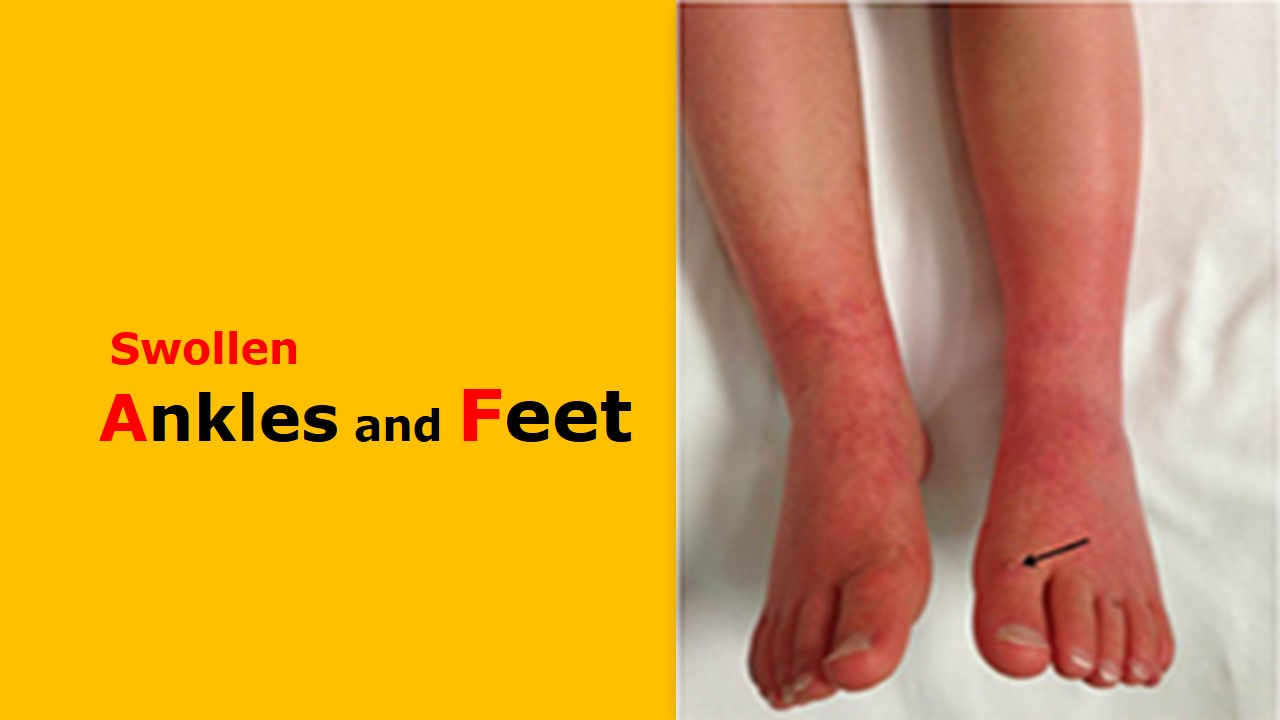
Swollen Ankles and Feet

Swollen Ankles and Feet

Edema ankles and swollen feet are common and usually not cause for concern, particularly if you’ve got been standing or walking a lot. But feet and ankles that stay swollen or are accompanied by other symptoms could signal a significant health problem.

Pregnancy complications

Sometimes swelling of the ankles and feet is normal during pregnancy. Sudden or excessive swelling, however, could also be a symbol of preeclampsia, a significant condition during which high blood pressure and protein within the urine develop after the 20th week of pregnancy. If you experience severe swelling or swelling accompanied by other symptoms like abdominal pain, headaches, infrequent urination, nausea, and vomiting, or vision changes, call your doctor immediately. Learn more about managing a high-risk pregnancy.

Foot or ankle injury

An injury to the foot or ankle can cause swelling. the foremost common maybe a sprained ankle, which occurs when an injury or misstep causes the ligaments that hold the ankle in place to be stretched beyond their normal range. to reduce the Edema from a foot or ankle injury, rest to avoid walking on the injured ankle or foot, use ice packs, wrap the foot or ankle with a crepe bandage, and elevate the foot on a stool or pillow. If swelling and pain is severe or doesn’t improve with home treatment, see your physician. Learn more about the way to treat a sprained ankle.

Lymphedema

This is often a collection of lymphatic fluid within the tissues which will develop due to the absence of or problems with the lymph vessels or after the removal of lymph nodes. Lymph may be a protein-rich fluid that normally travels alongside an extensive network of vessels and capillaries. it’s filtered through the lymph nodes, which trap and destroy unwanted substances, like bacteria. When there’s a problem with the vessels or lymph nodes, however, the fluid’s movement is often blocked. Untreated, lymph buildup can impair wound healing and cause infection and deformity. Lymphedema is common following radiation therapy in patients with cancer. If you’ve got undergone cancer treatment and knowledge swelling, see your doctor directly. See a photograph of what lymphedema seems like.

Venous insufficiency

Swelling of the ankles and feet is usually an early symptom of venous insufficiency, a condition during which blood inadequately moves up the veins from the legs and feet up to the heart. Normally, the vein’s blood flowing upward with one-way valves. When these valves become damaged or weakened, the blood leaks back down the vessels, and fluid is retained within the soft tissue of the lower legs, especially the ankles and feet. Chronic venous insufficiency can cause skin changes, skin ulcers, and infection. If you feel signs of venous insufficiency you ought to see your doctor. determine more about chronic venous insufficiency.

Infection

Swelling within the feet and ankles are often a sign of infection. Women with diabetic neuropathy or other nerve problems of the feet are at greater risk for foot infections. If you’ve got diabetes, it’s important to examine your feet daily for blisters and sores, because nerve damage can blunt the pain sensation and foot problems can progress quickly. If you notice a swollen foot or blister that appears to be infected, contact your doctor directly. Learn more about the way to look after feet with diabetes.

Blood clot

Blood clots that form within the veins of the legs can stop the return flow of blood from the legs back up to the heart and cause swelling within the ankles and feet. Blood clots are often either superficial (occurring within the veins just beneath the skin), or deep (a condition referred to as deep vein thrombosis). Deep clots can block one or more of the main veins of the legs. These blood clots are often life-threatening if they break loose and travel to the heart and lungs. If you’ve got swelling in one leg, alongside pain, low-grade fever, and possibly a change in color of the affected leg, call your doctor immediately. Treatment with blood thinners could also be necessary. Learn more about deep vein thrombosis (DVT).

Heart, liver, or kidney disease

Sometimes swelling can indicate a problem like heart, liver, or renal disorder. Ankles that swell within the evening might be a symbol of retaining salt and water due to right-sided coronary failure. kidney disease also can cause foot and ankle swelling. When kidneys aren’t functioning properly, fluid can build up within the body. liver disease can affect the liver’s production of a protein called albumin, which keeps the blood from leaking out of the blood vessels into the encompassing tissues. Inadequate albumin production can cause fluid leakage. Gravity causes fluid to accumulate more within the feet and ankles, but fluid also can accumulate within the abdomen and chest. If your swelling is amid other symptoms, including fatigue, loss of appetite, and weight gain, see your doctor directly. If you are feeling in need of breath or have pain, pressure, or tightness, call 911. Learn more about the renal disorder and its symptoms.

Medication side effects

Many drugs can cause swelling within the feet and ankles as a possible side effect. They include:

 Hormones like estrogen (found in oral contraceptives and hormone replacement therapy) and testosterone

 Calcium channel blockers, a kind of blood pressure medication, which includes nifedipine (Adalat, Afeditab, Nifediac, Nifedical, Procardia), amlodipine (Norvasc), diltiazem (Cardizem, Cartia, Dilacor, Diltia, Tiazac), felodipine (Plendil), and verapamil (Calan, Covera-HS, Isoptin, Isoptin SR, Verelan)

 Steroids, including androgenic and anabolic steroids and corticosteroids like prednisone

 Antidepressants, including tricyclics, like nortriptyline (Pamelor, Aventyl), desipramine (Norpramin), and amitriptyline (Elavil, Endep, Vanatrip); and monoamine oxidases (MAO) inhibitors like phenelzine (Nardil) and tranylcypromine (Parnate)

 Non-steroidal anti-inflammatory drugs (NSAIDs)

 Diabetes medications.

Common Discomforts of Pregnancy

Common Discomforts of Pregnancy

What you would like to understand, what no one tells you before you get pregnant, is “Pregnancy is amazing, except when it’s not!” There are many strange things that happen to you during this miraculous time- come on, you’re growing a person’s being inside you for goodness sake-especially because your hormones are everywhere in the place. These hormonal changes can cause different [and often annoying] pregnancy symptoms all throughout your body. Here are the foremost common discomforts of pregnancy and the way you’ll navigate through them:

Morning Sickness

More than 60% of women will experience morning (and all day and night) sickness. the feeling of wanting to present (nausea) isn’t uncommon. Each woman is different; some will only feel the urge to vomit, and a few will actually vomit. Remarkably, the research scroller still cannot reliably pinpoint what actually causes morning sickness.

Most women will experience this charmer for less than the first trimester, while others will have the sensation they’re riding a 5-star rollercoaster throughout their entire pregnancy. the great news is that some research shows that ladies who experience morning sickness have children with higher IQs…feeling better about it already?

Lack of Energy/Lethargy / Fatigue

Another common symptom of pregnancy is how tired you are feeling, especially during your first and third trimesters (the second trimester is typically the “honeymoon” so enjoy it!). quite half of the pregnant mamas experience this symptom. most girls desire to find a hiding spot to curl up and take a nap.

Let’s not forget, your body is producing new hormones and making a lot of changes to organize for human creation, it takes a lot of work! You’re also producing more blood to hold nutrients to the baby causing increased effort for your heart and other organs. Mental and emotional stress also are reasons you’ll be feeling exhausted.

You may have difficulty sleeping later in your pregnancy thanks to multiple bathroom trips, leg cramps, and heartburn.

Fatigue is often a symbol of anemia, particularly from being iron-deficient. Your body needs iron to form hemoglobin, the substance in red blood cells that enables them to hold oxygen to your tissues and to your baby. consistent with the American College of Obstetricians and Gynecologists (ACOG), your need for iron doubles to 27 mg during pregnancy thanks to the requirements of the baby, the extra blood produced by your body, and therefore the blood loss which will occur during delivery. Most prenatal vitamins contain enough iron to support this increased requirement (with the exception of gummies). to urge enough through food, eat iron-rich foods like red meat, poultry, fish (2-3 servings per week max), dried beans, peas, iron-fortified cereals, and prune juice.

Heartburn

The only heartburn you should feel is from the Extended Triangle Pose position during prenatal yoga! It can help relieve indigestion by the way.

Heartburn during pregnancy may be a doozy with quite 50% of girls experiencing this symptom, especially during the second and third trimesters. it’s not usually a sign of a significant problem, but it is often quite uncomfortable and even painful. esophageal reflux is usually called “acid reflux” or “heartburn.”

Indigestion is additionally common during pregnancy and may occur with heartburn. Also referred to as “dyspepsia,” indigestion is simply another name for indigestion. If you are feeling full, gassy, or bloated, you’ve got indigestion!

Heartburn occurs when gastric juices from your stomach are pushed up toward your esophagus (the pipe between your mouth and your stomach). This causes a burning sensation behind your breastbone or one that starts in your stomach and seems to get up. you’ll even have a sour taste in your mouth or a feeling that vomit is rising in your throat (as we said, pregnancy is amazing, except when it’s not!). It’s important to treat heartburn, as repeatedly it’ll cause you to not eat properly thanks to the pain, and if you’re not eating, your baby isn’t getting the right nutrition.

Constipation

Don’t worry, you’re not alone- over 70% of ladies experience this discomfort at some point or another during their pregnancy. There are a couple of different things that cause constipation during pregnancy:

Thanks to your hormonal “free-for-all,” your digestive tract slows down (relaxes) to assist you to absorb all the vitamins and minerals that your new houseguest requires.

The uterus puts pressure on the intestines around it, causing further delays.

The increased iron found in your prenatal vitamins might be causing a serious backup too! ask your healthcare provider about other options (such as taking smaller doses throughout the day).

Bleeding Gums & Tooth Pain

Issues with oral health during pregnancy are overshadowed by a number of the more obvious symptoms, The symptoms included bleeding gums, toothache, and increased tooth sensitivity.

Only 57% of the ladies actually visited a dentist during their pregnancy. It’s important to go to your dentist during pregnancy because any infection within the oral cavity can have a negative effect on the health of your baby.

The most common oral discomfort pregnant women encountered was bleeding gums. this is often primarily thanks to the hormonal changes during pregnancy which make the gums sensitive to the presence of plaque. Bleeding gums, if left untreated, can cause periodontal disease (gingivitis). Many studies state that periodontal disease is often a possible risk for low birth weight babies. Bleeding gums also can cause a gingival recession which may cause sensitivity to hot and cold temperatures and make teeth more vulnerable to decay at the gum line. Your dentist can offer you suggestions on treatment and gentle tooth care.

Headaches and Migraines

Headaches during pregnancy are often a result of hormonal changes, tension, congestion, constipation, lack of sleep, dehydration, low blood pressure, low blood glucose, and even caffeine withdrawal. In some cases, it’s caused by preeclampsia. . Preeclampsia (also called Toxemia) A strong headache within the second or third trimester could also be a symbol of preeclampsia or high vital sign during pregnancy. Preeclampsia is an uncommon condition affecting about five to ten percent of pregnancies. Headaches that are a result of preeclampsia are consistent, persistent, and throbbing. Mamas with preeclampsia can also have complaints of blurry vision or seeing spots, weight gain (more than one pound per day), pain within the upper right abdomen, and hands and face getting swollen. If you get a headache that’s out of the norm or you’re experiencing any of those symptoms, you ought to call your doctor or midwife directly.

Folic acid and pregnancy

Folic acid and pregnancy

Folic acid (also known as folate) may be a B-vitamin found in many foods, including dark green leafy vegetables, fruits, nuts, beans, peas, dairy products, meat, eggs, and grains. it’s required for the production of the latest cells and for the correct synthesis of DNA. This vitamin is especially important to a baby’s health and development. Because there might not be enough folic acid within the diet, it’s recommended that each one woman who tries to urge pregnant, or who might become pregnant, take supplemental folic acid. To be useful, the folic acid must be taken for a minimum of three months before conception. it’s not helpful to start it after the diagnosis of pregnancy.

Why is folic acid so important in pregnancy?

Folic acid helps prevent some types of birth defects called ectoderm defects. These happen when the fetal spinal column doesn’t close completely or the brain and skull don’t grow properly. Some samples of neural tube defects are rachischisis and anencephaly. Other defects including birth defects, some heart defects can also be associated with inadequate folic acid intake.

How much folic acid should I be taking?

It is not only the quantity of folic acid that you simply take that’s important but the timing. Most ectoderm defects happen within the first 4 weeks of pregnancy, often before the mother is even aware she is pregnant. for many women, a daily dose of 0.4 mg of folic acid per day throughout pregnancy and until breastfeeding ends is enough. If you’ve got risk factors for neural tube defects or have had a previous pregnancy with a neural tube defect, you’ll get to take more. additionally to eating a diet rich in folic acid, follow the recommendations during this table.

What are the best folic acid foods?

Your daily prenatal vitamin is sort of a nutritional backup plan during pregnancy — and it comes in handy especially on days once you feel too sick to eat. That said, vitamins or supplements can’t replace a healthy diet. it is vital to eat many folate-rich foods when you’re expecting since they’re also filled with many other important baby-making nutrients like fiber, calcium, vitamin A and vitamin C.

And if you’re breastfeeding, physicians recommend taking a basic daily women’s multivitamin that contains 100 percent of the recommended daily value of all nutrients, including folic acid. you’ll either still take your prenatal vitamin or a supplement designed for breastfeeding moms.

Some of the best food sources of folate to include in your diet include:

 Leafy green vegetables: 263 mcg in 1 cup boiled spinach

 Avocado: 120 mcg in 1 cup sliced

 Beans: 250 to 350 mcg in 1 cup beans or lentils

 Asparagus: 268 mcg in 1 cup

 Beets: 136 mcg in 1 cup

 Oranges: 35 mcg in 3/4 cup

 Foods fomented with folic acid, including whole-grain cereal, bread, pasta, and rice

Keep up the great work on the nutrition front by taking your folic acid-rich daily prenatal vitamin. This supplement, alongside a healthy diet, is an excellent thanks to beginning your new baby’s life.

Reasons for a Missed Period

Reasons for a Missed Period

If your period doesn’t make its monthly appearance, your first emotion could also be elation if you’re trying to get pregnant, or anxiety if you’re not. But while pregnancy may be a common explanation for a missed period, it’s not the only one: actually, an irregular or skipped period happens to up to a quarter of all women of childbearing age.

There are a variety of reasons why your period might not show up on time — or in the least. Missed-period culprits are often as simple as a shift in your schedule or a bout with illness. However, since an irregular or skipped period also can indicate a more serious underlying medical condition, like thyroid disease or another hormonal imbalance, it’s smart to remain on top of it and, if it persists, catch on verified.

Possible causes of a late or missed period

Pregnancy

Many times a late period means exactly what you think: You’re pregnant! Because many of the earliest pregnancy symptoms — including cramps, bloating, nausea, spotting, fatigue, breast tenderness and even food aversions — are often almost like what you’ll experience within the days before menstruation, it are often difficult to inform if your cycle is just off by a few days or if you’re pregnant.

The fastest and easiest method to find out if pregnancy is that the cause of your missed period is to require an at-home pregnancy test. These tests detect human chorionic gonadotropin (better known as hCG, a hormone released during pregnancy) in your urine. Pregnancy tests are most reliable the day after your missed period, but some brands claim to be ready to detect a pregnancy up to 5 days before your period is due.

Stress

You already know that stress can trigger a number of unpleasant side effects, like headaches, weight gain, and acne, so it should come as no surprise that it also can affect your cycle. When under physical or emotional stress, your body produces the hormones adrenaline and cortisol. Elevated levels of those stress hormones force the brain to decide which bodily functions are essential and which are nonessential until the anxiety-inducing event is over.

Stress won’t typically cause problems together with your cycle, but occasionally too much stress can cause fluctuations in hormone levels, which could in turn mess together with your body’s timing of ovulation and delay your period.

Illness

Certain illnesses, like a cold or the flu, also can stress the body and impact ovulation, and, as a result, your period. If illness around the time of ovulation caused you to skip a period, it’ll likely reappear as normal next cycle.

Weight

Your weight can affect your hypothalamus, a gland within the brain responsible for regulating various processes within the body — including your cycle.

Extreme weight loss, low caloric intake, or being very underweight can stress the hypothalamus. this might inhibit your body from producing the estrogen needed to create the lining of the uterus.

On the opposite hand, being overweight or gaining a lot of weight during a short amount of your time can cause your body to supply an excessive amount of estrogen. An overload may end in a few months without ovulation or cause the endometrial lining to overgrow and become unstable, leading to heavy, irregular, or missed periods.

Usually, consulting your physician or gynecologist and gaining a healthy amount of weight if you’re underweight or losing if you’re overweight should help your periods to return to normal.

Excessive exercise

Of course, understanding is good for you. However, once you overdo it (and possibly also restrict meals to lose weight), your body might not produce enough estrogen to finish the menstrual cycle.

Some women — like ballet dancers, gymnasts, and professional athletes — are at greater risk for amenorrhea (missing a period for 3 or more months during a row). But you do not have to be a pro for exercise to mess together with your system. working out excessively without taking in enough calories also can cause disruptions.

Some signs that you’re overdoing it include: extreme or rapid weight loss, decreased physical performance or forcing yourself to figure out through injury, illness, or severe weather. Slowing down a touch and gaining a touch weight if needed should get things back on target.

Change in schedule

Believe it or not, switching things up — as an example, working the night shift rather than the day, or traveling across the country — can throw off your internal body clock, which helps regulate your hormones. Sometimes this leads to a missed or late period, but it should return when your body gets won’t to the change or your schedule goes back to normal.

Breastfeeding

If you’re breastfeeding, you’ll not get your period a few time, since prolactin — the hormone liable for breast milk production — also suppresses ovulation.

Many moms do not have a period for months (or at all) while breastfeeding. But a lapse in your cycle doesn’t suggest you cannot get pregnant. Remember, ovulation occurs before you get your period. It’s possible for you to ovulate then get pregnant before you ever see your period. Most mothers should see their periods return within six to eight weeks after weaning. If you haven’t gotten your period three months after you stop breastfeeding, ask your doctor.

Medication

Probably the foremost common medication to cause menstrual changes is contraception. Hormonal contraceptives like the pill or patchwork by stopping the body from ovulating — and no ovulation means no period. But what that monthly bleeding you’ve got while using one among these methods? What you’re really experiencing is withdrawal bleeding, a “fake” period caused by the drop by hormones once you take the placebo pills in your pack or go patch-free during the fourth week of your cycle.

Sometimes, though, contraception suppresses hormones such a lot that you simply have Very light bleeding or no period in the least during that week off. and a few pills are even designed to prevent your period for an extended amount of your time (three months or more). Other hormonal birth controls, like the Depo-Provera, shot or the IUD, thin the liner of the uterus to such a degree that there could also be no lining to shed monthly.

Emergency contraception also can affect when or if you ovulate, so if you’ve taken it recently you’ll experience a late or skipped period (bring this up together with your doctor).

Some other medications which will cause your period to be irregular include antidepressants, some antipsychotics, corticosteroids, and chemotherapy drugs.

If you’ve recently gone off the pill within the hopes of getting pregnant, you’ll notice that it takes a month or so for your cycle to manage itself — during which case a skipped period might just be your system getting back on target. If you are not sure whether you might be pregnant, however, visit your doctor.

Hormonal imbalance

Polycystic ovary syndrome (PCOS) may be a condition where the female sex hormones are out of balance. PCOS can cause cysts on the ovaries and stop ovulation from occurring regularly. additionally, to missed or irregular periods, PCOS also can contribute to excess hair growth, acne, weight gain, and possibly infertility. Your doctor can do a blood test to see your hormone levels if you think that PCOS could also be the rationale for your menstruation problems. If PCOS is that the cause, your doctor may recommend contraception to regulate your periods.

Thyroid disorder

The thyroid gland responsible for your body’s metabolism doesn’t function properly, it can cause abnormal menstrual changes. Hyperthyroidism can cause periods to be lighter and less frequent. Other symptoms include weight loss, rapid heartbeat, increased sweating, and trouble sleeping.

An underactive thyroid (hypothyroidism) can also cause periods to be less frequent but heavier. Hypothyroidism also can cause weight gain, fatigue, dry skin, and hair loss. A blood test can help your doctor determine if you’ve got a thyroid disorder.

Perimenopause

The average age of menopause is 51. Anywhere from two to eight years before that, a lady experiences what’s referred to as perimenopause, a period when the body gradually produces less estrogen. During this point, it isn’t uncommon to experiences changes in your cycle — periods may come more or less frequently, be shorter or longer, or be lighter or heavier. But you’ll also likely experience hot flashes and night sweats, sleeping difficulties, vaginal dryness, and mood swings. If you’re concerned about your symptoms, you can check your hormone levels with a blood test.

Though a missed period is often emotional, try to not jump to conclusions until you discover out what’s really happening. A visit to your doctor can help pinpoint the cause, and if you are not pregnant, coax your next period along and obtain things back to normal.

Fetal Distress in Labor

Fetal Distress in Labor

A baby who is compromised in labor is in distress. The medical term for fetal stress is that the nonreassuring fetal status (NRFS), which describes a baby’s health late within the pregnancy or during labor.
Reasons for fetal distress are varied from cord issues to fetal anomalies, reactions to medications or the strain of labor, and other complications of labor.

Symptoms

While you’ll not experience physical symptoms, signs of fetal distress may include:

 Less movement from the fetus

 Abnormal fetal pulse (too slow, too fast, or irregular)

 Meconium, fetal stool, within the amnionic fluid

Causes

NRFS will be an indicator of various obstetric, maternal, or fetal conditions, including:1

 Anemia, or an iron deficiency

 Diabetes

 Infection

 IUGR ( Intrauterine growth retardation ) previously referred to as intrauterine growth retardation, refers to a size deficiency in your baby

 Maternal cardiovascular disease

 Oligohydramnios, or low amnionic fluid

 Placenta abruption

 Pregnancy-induced hypertension, or high vital sign during pregnancy

 Pregnancies that have progressed past 42 weeks

Diagnosis

You’ll likely have the following tests to diagnose the distress:

 Biophysical profile, which is an ultrasound test that checks your baby’s pulse, muscle tone, movement, breathing, and therefore the amount of amnionic fluid around your baby.

 Nonstress test, which monitors accelerations and de-accelerations of the baby’s pulse, also as any contractions you’ll be having.

 A contraction stress test, during which you’re given a little amount of Pitocin via IV and monitored to see how your baby responds to contractions via the electronic fetal monitor

Monitoring fetal distress

When you are parturient, your baby could also be monitored all of the time (continuous monitoring) or at set times (intermittent). Monitoring also can be done externally (outside of the body) or internally (inside of the body), or both. generally, if you’re low risk, you will probably experience external, intermittent monitoring.

Methods of Monitoring

The type of monitoring used will depend upon your risk of complications, how your labor goes, and therefore the overall policy of your ob-gyn or hospital.

The common methods of monitoring your baby include:

 Fetal auscultation, away used on low-risk mothers where a special stethoscope or device called a Doppler transducer is used to periodically hear the fetal heartbeat.

 Fetal monitoring, a way that uses special equipment to live the response of the fetus’s pulse to contractions of the uterus.

During Labor

Monitoring during labor can help your care team recognize and/or monitor the following:

 Hypoxia, when the fetus doesn’t receive adequate oxygen

 Contractions

 High-risk deliveries

 Cerebral palsy

 Impending fetal death

The electronic fetal monitor uses two straps that go around your abdomen. One measures the baby’s pulse, and therefore the other measures your contractions or uterine activity.

Using the graphs of the guts rate, your doctors or midwives are looking to see if the heart rate stays within certain parameters.

 Too high may indicate that your baby features a fever or is in distress.

 Too low may mean that there’s oxygen deprivation thanks to a variety of reasons, including the baby’s position or the cord becoming compressed.

The monitors are going to be used to tell when your baby is experiencing distress, in relation to each contraction. For example:

 Throughout the contraction

 Recovering within the break periods

 Only at the end of the contraction

 Both during and after contractions

Each timing may mean something slightly different and should involve a variety of attempts to fix the difficulty.

While FHR monitoring has many benefits, a misinterpretation of the FHR monitoring results can increase the likelihood of getting an LSCS